
Ceramic Pulley Lagging for Conveyor Drive Pulleys


Ceramic Pulley Lagging FAQ

Ceramic Pulley Lagging Selection & Application Guide
In the following guide, you will know everything about Ceramic Pulley Lagging.
Ceramic Pulley Lagging Selection & Application Guide
Ceramic pulley lagging is used on conveyor pulleys where operating conditions place greater demands on traction, wear resistance and pulley protection than rubber lagging can provide.
It is particularly relevant to heavy-duty conveyor systems operating with high belt tension, abrasive bulk materials, moisture, mud or recurring pulley slippage.
However, ceramic lagging is not automatically the best choice for every pulley. Selecting the correct lagging requires an understanding of the pulley function, conveyor load, operating environment, existing wear problems and installation conditions.
This guide explains where ceramic pulley lagging is most useful, how it works, which factors to consider during selection, and how it compares with conventional rubber pulley lagging.
What Is Ceramic Pulley Lagging?
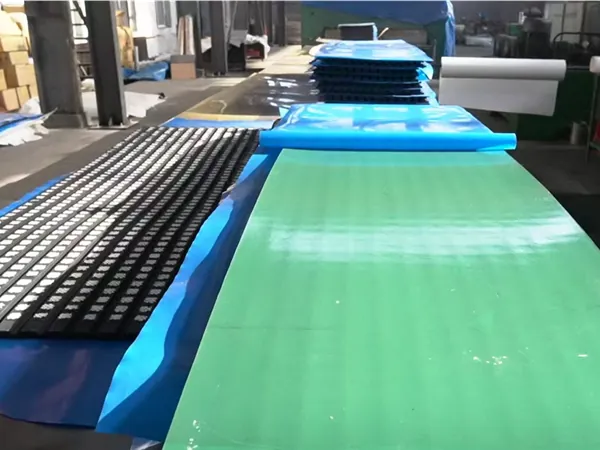
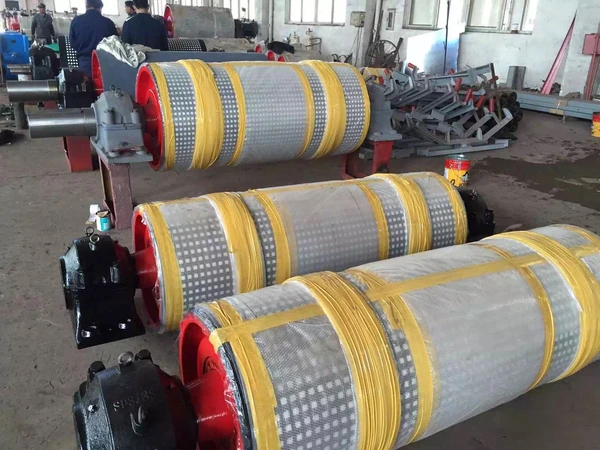
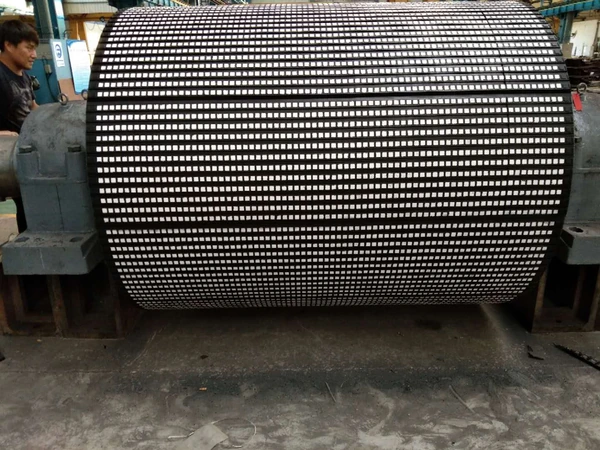
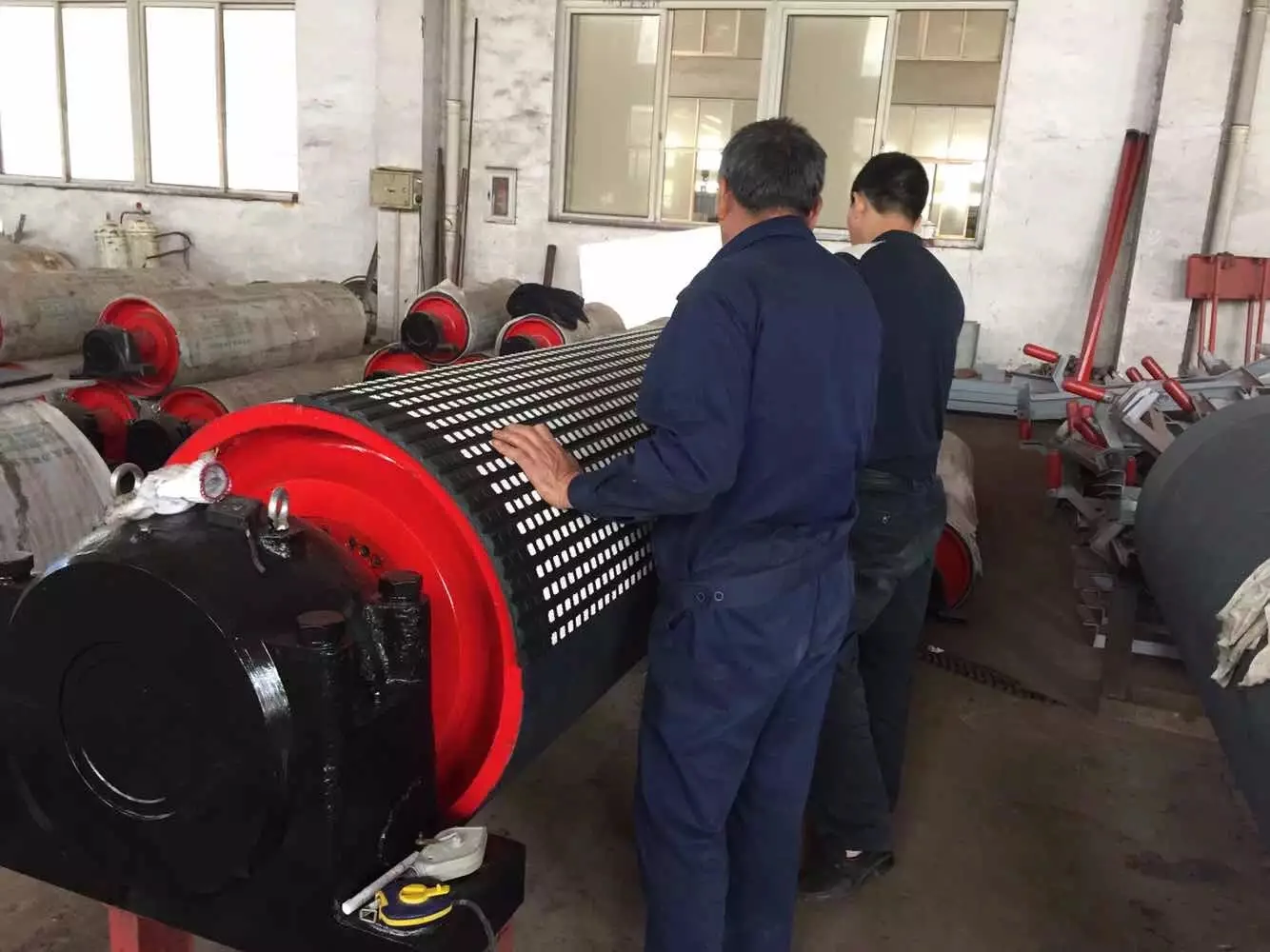
Ceramic pulley lagging is a composite pulley-lagging material in which wear-resistant ceramic tiles are integrated into a resilient rubber base. The ceramic surface provides a hard contact area with strong resistance to abrasive wear, while the rubber portion provides flexibility, impact absorption and support for the ceramic elements.
The complete lagging sheet or strip is bonded to the prepared steel pulley shell, typically using a compatible cold vulcanizing bonding system when a prepared CN bonding layer is supplied. The result is a replaceable pulley surface designed to improve the interaction between the conveyor belt and pulley while protecting the pulley shell from direct wear.
Why Use Ceramic Pulley Lagging?
Common rubber pulley lagging performs effectively in many conveyor systems.
Ceramic lagging becomes more relevant when the operating conditions begin to exceed what standard rubber lagging can economically or consistently handle. Key reasons for considering ceramic pulley lagging include:
Recurring belt slippage on drive pulleys; High conveyor belt tension; Wet or muddy operating conditions; Abrasive materials and accelerated lagging wear; Frequent replacement of common rubber lagging; Heavy-duty mining and bulk material handling applications
High-throughput conveyor systems; Pulley surfaces requiring additional wear protection
The decision should be based on the actual conveyor problem rather than simply choosing ceramic lagging because it is considered a higher-grade material.
Improved Traction on Drive Pulleys
One of the main reasons ceramic pulley lagging is used on conveyor drive pulleys is to improve traction between the pulley and the bottom cover of the conveyor belt. A drive pulley must transfer torque to the belt. When the available traction becomes insufficient, the belt can begin to slip against the pulley surface.
Conditions that can increase the risk of slippage include:
High belt tension; Heavy conveyor loading; Moisture, Mud or slurry; Fine material contamination; Worn pulley lagging
Incorrect belt tension; Poor pulley or belt condition
The ceramic contact surface provides stronger mechanical interaction with the belt than a conventional smooth rubber surface.
This can help reduce the risk of slippage in demanding applications. However, pulley lagging should not be considered the only factor affecting belt slip. Belt tension, pulley alignment, wrap angle, pulley diameter and overall conveyor condition should also be reviewed when recurring slippage occurs.
Wear Resistance in Abrasive Conveyor Conditions
Pulley lagging is continuously exposed to belt contact, pressure, vibration and contamination. In conveyors handling abrasive materials such as ore, aggregate, coal or mineral products, conventional rubber surfaces may experience accelerated wear. Ceramic materials provide a harder wear surface and can therefore be useful where abrasion is a major cause of lagging deterioration. The ceramic elements take much of the direct contact wear, while the rubber matrix provides support and flexibility.
Actual service life depends on factors such as: Material abrasiveness; Belt condition; Conveyor load; Belt speed
Pulley alignment; Ceramic and rubber construction; Installation quality; Maintenance conditions
For this reason, service life should be evaluated according to the complete operating environment rather than expressed as one universal number.
Where Is Ceramic Pulley Lagging Commonly Used?
Ceramic pulley lagging is primarily associated with demanding conveyor drive-pulley applications.
Typical industries and operating environments include:
Mining,Quarrying and aggregates,Cement plants
Steel production,Power generation,Ports and bulk terminals
Coal handling,Mineral processing,Heavy industrial material handling
Within these industries, ceramic lagging is especially relevant where the pulley operates under a combination of high load, contamination and abrasion.
It can also be considered for selected non-drive applications where wear protection is a major concern, although conventional rubber lagging may remain the more practical solution for many non-drive pulleys.
How to Select Ceramic Pulley Lagging
Ceramic pulley lagging should be selected according to the complete operating conditions of the conveyor. The following factors are more important than ceramic coverage percentage or one particular ceramic surface pattern.
1. Pulley Function
First identify the function of the pulley. A drive pulley transmits torque to the conveyor belt and therefore places greater importance on traction. Other pulleys may primarily require:
Pulley-shell protection
Wear resistance
Controlled belt contact
General surface protection
The pulley function should therefore be established before selecting the lagging construction.
2. Existing Pulley Problem
Identify why the current pulley lagging needs to be replaced or upgraded.
Typical problems include:
Belt slippage
Rapid rubber wear
Surface damage
Uneven lagging wear
Water or mud contamination
Frequent maintenance
Pulley-shell abrasion
Understanding the actual failure mechanism is more useful than simply selecting the most aggressive ceramic configuration available.
3. Belt Tension and Conveyor Load
Higher belt tension and heavier conveyor loading increase the demands placed on the drive pulley.
Where a heavily loaded conveyor regularly experiences insufficient traction, ceramic lagging may provide a more suitable solution than conventional rubber lagging.
When available, provide operating belt tension or conveyor design information during product selection.
4. Operating Environment
The environment around the pulley can strongly affect lagging performance.
Important conditions include:
Dry or wet operation
Mud
Slurry
Fine dust
Abrasive contamination
Outdoor exposure
Underground operation
Temperature conditions
Wet, muddy and contaminated environments are particularly important because they can reduce traction at the belt-to-pulley contact surface.
5. Pulley Diameter and Face Width
Ceramic lagging sheets and strips must fit the actual pulley geometry.
Important dimensions include:
Pulley diameter
Pulley face width
Belt width
Existing lagging thickness
Required finished pulley diameter where relevant
Correct strip dimensions can simplify installation, reduce unnecessary joints and minimize material waste.
6. Lagging Thickness
The appropriate ceramic lagging thickness depends on the product construction, pulley dimensions and application requirements.
A thicker product is not automatically better.
Thickness should be selected together with:
Pulley diameter
Existing pulley design
Belt clearance
Required finished diameter
Installation method
Operating duty
If an existing pulley is being relagged, the original lagging thickness can provide a useful starting reference.
7. Rubber Compound
The rubber component of ceramic lagging plays an important role in supporting the ceramic elements and bonding the lagging system to the pulley.
The compound should be suitable for the operating environment.
Options may include:
Standard industrial wear-resistant rubber
Flame-resistant rubber
Other application-specific compounds where required
Any specific flame-resistance or safety requirement should be confirmed before ordering.
8. Bonding Method
The complete bonding system is critical to pulley lagging performance.
For cold-bond installation, the system normally includes:
Prepared steel pulley surface
Suitable metal primer
Compatible cold vulcanizing adhesive
Prepared CN bonding layer
Correct application procedure
Adequate curing conditions
These components should be treated as a single bonding system rather than as independent materials.
Ceramic Pulley Lagging vs. Rubber Pulley Lagging
Ceramic and rubber pulley lagging serve similar general purposes but are suited to different levels of operating demand.
Rubber Pulley Lagging
Common rubber lagging remains suitable for many conveyor applications.
Diamond rubber lagging is commonly used on drive pulleys where additional traction and drainage are required.
Plain rubber lagging can be used where pulley protection is more important than increased traction.
Rubber lagging generally offers:
Lower initial material cost
Flexible installation
Good performance in moderate-duty applications
Multiple rubber compounds and surface patterns
Ceramic Pulley Lagging
Ceramic lagging is more commonly selected where conditions are more demanding.
Typical reasons for upgrading from rubber to ceramic include:
Repeated drive-pulley slippage
Higher belt tension
Severe abrasion
Wet or muddy environments
Rapid conventional lagging wear
The higher initial material cost should therefore be evaluated against maintenance frequency, operating conditions and the performance of the existing lagging.
Cold Bond Ceramic Pulley Lagging Installation Overview
Correct installation is essential to the performance of any pulley lagging system.
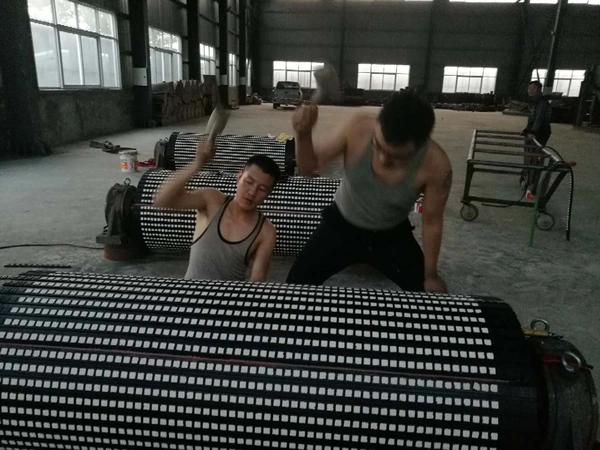
A typical cold-bond ceramic pulley lagging installation includes the following stages.
1. Isolate the Conveyor
The conveyor must be safely isolated and secured according to the site’s lockout and safety procedures before work begins.
2. Remove Existing Lagging
Remove old lagging, residual adhesive and loose contamination from the pulley surface.
The steel shell should be inspected for: Corrosion, Cracks, Excessive wear, Surface damage
Structural problems. Any significant pulley damage should be addressed before new lagging is installed.
3. Prepare the Steel Surface
The pulley shell should be mechanically prepared according to the selected primer and adhesive system.
The goal is to create a clean, stable surface suitable for bonding.
After preparation, remove dust, rust particles, oil and other contamination.
4. Apply the Required Primer
Apply the appropriate metal primer according to the technical data sheet of the selected bonding system.
Application thickness, drying conditions and open time should follow the manufacturer’s instructions.
5. Prepare the Ceramic Lagging Strips
Confirm the strip layout before adhesive application.
Reference lines can help maintain correct positioning around the pulley.
Where a prepared CN bonding layer is supplied, keep the protective film in place until shortly before adhesive application.
6. Apply the Cold Vulcanizing Adhesive
Apply the compatible adhesive according to the specified mixing ratio, number of coats and drying conditions.
Do not rely on one universal drying time.
Temperature, humidity and the selected adhesive system all affect application and curing conditions.
7. Position and Compact the Lagging
Position the ceramic lagging accurately on the pulley shell.
Compact the strip progressively to establish uniform contact and reduce trapped air.
Special attention should be given to: Strip edges, Strip ends, Joints, Transition areas
8. Finish the Joints
Prepare and seal the joints according to the approved installation procedure.
Poorly finished joints can become weak points where contamination or mechanical damage begins.
9. Allow the Bonding System to Cure
The pulley should not be returned to operation until the bonding system has reached the required curing condition.
Return-to-service time depends on the adhesive, temperature, humidity and installation conditions.
Always follow the technical data sheet of the selected adhesive system.
Selecting Ceramic Lagging Without Identifying the Real Problem
If pulley slippage is caused primarily by incorrect belt tension, poor alignment or another mechanical problem, changing the lagging alone may not solve the underlying issue.
Choosing Product Specifications Based on One Parameter
Ceramic percentage, tile pattern or thickness should not be considered independently. The complete conveyor operating condition is more important.
Poor Pulley Surface Preparation
Residual adhesive, rust, dust, oil or inadequate surface preparation can reduce bonding reliability.
Mixing Incompatible Bonding Products
Primer, adhesive and CN bonding surfaces should form a compatible system. Combining products without confirming compatibility can create unnecessary bonding risk.
Contaminating the CN Layer
The prepared CN surface should remain protected until shortly before adhesive application. Avoid unnecessary handling or contamination.
Returning the Pulley to Service Too Early
Cold-bond systems require adequate curing. Operating the conveyor before sufficient cure has developed can compromise the bond.
Conclusion
Ceramic pulley lagging is most valuable where conveyor pulleys operate under demanding combinations of belt tension, abrasion, moisture, contamination or recurring slippage.
Its performance comes from the complete ceramic-rubber construction, suitable rubber compound, correct dimensions, reliable bonding system and proper installation—not from one individual parameter such as ceramic coverage or surface pattern.
For many general conveyor applications, rubber pulley lagging remains an effective and economical solution. Ceramic lagging should be selected when the operating conditions create a genuine need for additional traction, wear resistance or pulley protection.
We supply ceramic lagging sheets and strips in standard and customized configurations for different conveyor pulley applications.
Send us your pulley dimensions, operating conditions and existing lagging information, and we can help review a ceramic pulley lagging solution.