
Conveyor Belt Repair Tapes Types

Standard Conveyor Belt Repair Strip
All our Rubber Repair Strips (Patches) bonding strength reach or exceed 8Mpa.

Reinforced Diamond Repair Patch
Reinforced Diamond Repair Patches are mainly used for maximum puncture resistance.
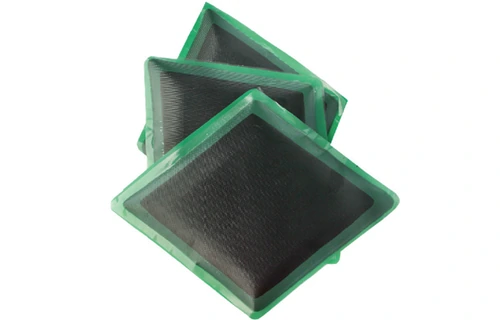
Diamond Belt Repair Patch
Diamond repair patches are used for minor damage repair of the conveyor belt
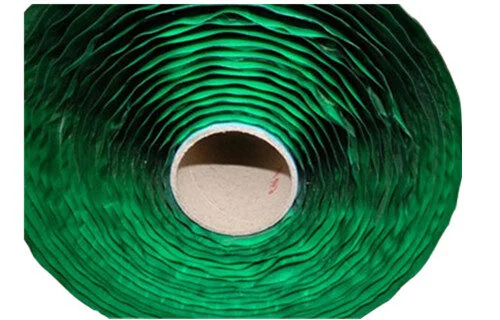
Fabric Reinforced Belt Repair Strip
Fabric Reinforced Repair Strip reinforced with fabric layer to increase tensile strength.



Conveyor Belt Repair Tape Manufacturer FAQ


Conveyor Belt Repair Tape – Definitive Guide
Conveyor Belt Repair Tape Selection Guide
Heavy-duty conveyor belts operating in bulk material handling systems are constantly subjected to severe impact, material drop, and mechanical friction. This frequently results in localized surface damage, gouges, edge tears, and catastrophic longitudinal splits.
When conveyor belt damage occurs, facility managers must evaluate whether to replace the belt section or execute a cold vulcanization field repair. Fast-curing conveyor belt repair tape (also referred to as fabric-reinforced repair strips) provides a high-strength, cost-effective cold repair solution that restores belt integrity and slashes system downtime.
1. When to Repair vs. Replace a Damaged Conveyor Belt
Before selecting repair materials, conduct a thorough structural damage assessment:
Replacement Required: If cover rubber wear exceeds maximum service limits across the belt width, if longitudinal tears exceed 7 occurrences per meter of belt length, or if a transverse/horizontal puncture reaches or exceeds 1/3 of the total belt width, the structural integrity of the carcass is compromised and the damaged section must be cut out and replaced with a new belt splice.
Cold Repair Recommended: For localized gouges, cover rubber scoring, edge damage, and longitudinal tears caused by trapped metal or chute jams, cold vulcanization repair using conveyor belt repair tape offers a permanent, immediate repair without removing the belt from the system.
2. What is Conveyor Belt Repair Tape & How Does It Work?
Conveyor belt repair tape is an engineered rubber strip manufactured from high-tensile, wear-resistant synthetic rubber compounds. One side is a pre-treated semi-vulcanized CN bonding layer. During application, this CN layer reacts chemically with two-component cold vulcanizing adhesive, initiating an ambient chemical cross-linking process. All our repair tapes feature precision beveled (feathered) edges, allowing the applied tape to merge flush with the existing belt cover. This smooth profile prevents mechanical interference from belt scrapers, plows, and impact bed idlers.
3. Standard vs. Fabric-Reinforced Repair Tape
Selecting the correct tape construction depends on whether the damage is purely surface level or extends structurally into the belt carcass plies.
Standard Repair Tape
Construction: Premium natural/synthetic rubber compound with a semi-vulcanized CN layer. Thickness Range: 2.2mm — 3.4 mm;
Key Properties: High elasticity, dynamic flex fatigue resistance, waterproof seal, and excellent surface conformity;
Applications: Sealing surface gouges, restoring top/bottom cover rubber wear, repairing worn belt edges, and sealing cold vulcanized belt splice joints.
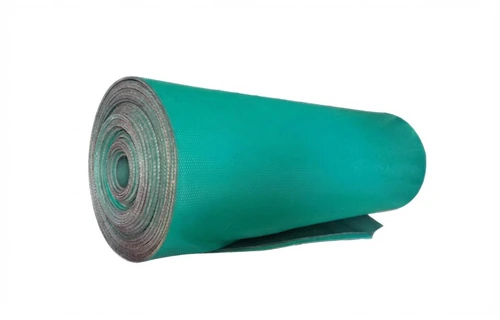
Fabric-Reinforced Repair Tape
Construction: High-wear rubber insert with a reinforced fabric layer and a CN bonding layer. Adds approximately 1.4 mm of structural thickness compared to standard types.
Thickness Range: 3.6 mm– 4.8 mm
Fabric Layer Tear Force: Longitudinal Tearing Force: 218N/mm, Lateral (Transverse) Tearing Force: 89.5N/mm,
Applications: Repairing longitudinal tears, split splices, and deep carcass punctures on heavy multi-ply fabric and steel cord conveyor belts operating under extreme tension.
4. Technical Specifications & Dimension Selection
To ensure complete coverage and prevent tear propagation under load, select a repair tape width that provides a 20 mm- 30 mm overlap beyond the outer edges of the damaged area on both sides. Custom Options: Custom roll widths (50mm, 75mm, 500 mm), special rubber compounds (Flame-Retardant FRAS, Oil-Resistant), and pre-cut lengths are available upon request.
Cold Bond Conveyor Belt Repair Overview
A typical cold bond conveyor belt repair involves damage assessment, surface preparation, adhesive application, positioning of the repair strip, compaction and curing. The exact procedure depends on the type and severity of the belt damage, the selected conveyor belt repair strip and the cold vulcanizing adhesive system being used.
Inspect and Assess the Belt Damage
Before starting the repair, inspect the damaged area carefully and determine whether cold bonding is an appropriate repair method. Check the length, width and depth of the damage, the condition of the surrounding cover rubber and whether the internal fabric plies or steel cords have been affected. Cold bond repair strips are commonly used for surface cuts, longitudinal tears, worn covers, edge damage and other localized belt damage.

Prepare the Damaged Area
Remove loose, damaged or contaminated rubber and create a clean, stable repair profile. The prepared area should extend beyond the visible damage so that the conveyor belt repair strip can bond to sound rubber around the repair.
Buff the Conveyor Belt Surface
Mechanically roughen the required bonding area according to the approved repair procedure.After buffing, completely remove rubber dust and grinding residue.

Grinding and cleaning the conveyor belt bonding area.
The prepared conveyor belt surface must be clean, dry and free from oil, moisture, dust and other contamination. Use a compatible rubber cleaning solvent when required and allow the surface to dry completely before applying the adhesive.
Mixing and applying a compatible cold vulcanizing cement according to its technical data sheet
Mix the cold vulcanizing cement and hardener according to the manufacturer’s specified ratio. Apply the adhesive evenly to the prepared conveyor belt surface and the CN bonding layer of the repair strip according to the technical data sheet.
Positioning the repair strip and compacting it from the centre toward the edges to remove trapped air.
Carefully position the repair strip over the prepared damage. Correct alignment is important because repositioning the strip after the bonding surfaces make contact may reduce bonding quality. After positioning, firmly compact the repair strip using a suitable stitching or pressure roller.

Allowing the adhesive system to cure under the specified site conditions before returning the conveyor to service
Check that the repair strip is fully bonded and that there are no visible air pockets, lifted edges, loose sections or contaminated joints. The repaired area should form a smooth transition with the surrounding conveyor belt surface
When Is a Repair Strip Not Suitable?
Cold bond repair strips should not be used as an automatic solution for every type of conveyor belt damage.
Further technical assessment may be required when:
Damage extends across a significant part of the belt width
Multiple fabric plies are severely damaged
Steel cords are exposed, broken or corroded
The belt splice has failed
The belt is permanently deformed
Cover wear has reached the carcass across a large area
The damage presents an operational or safety risk
Depending on the condition, hot vulcanizing, mechanical repair, partial belt replacement or complete belt replacement may be more appropriate.

Which Type of Conveyor Belt Repair Tape Do You Need?
Send us photographs of the belt damage together with the belt type, damage dimensions, operating conditions and required quantity.
Our team will help select a standard or fabric-reinforced rubber repair strip, repair patches, or CN Filler and T2 repair compound, etc., cold-bond materials required for the application.

Why Choose Our Repair Tapes?
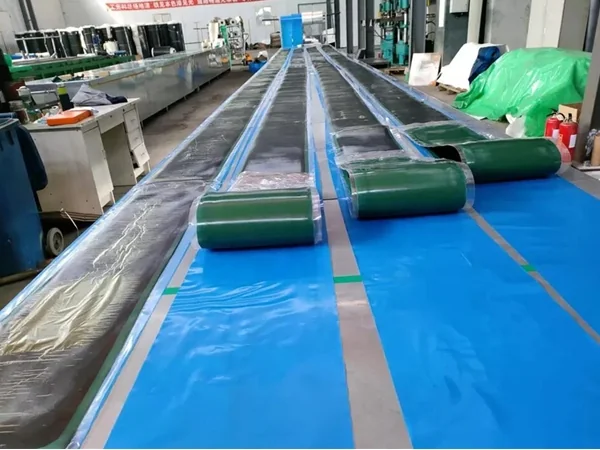
We manufacture standard and fabric-reinforced conveyor belt repair strips for different repair conditions.
Customers can receive support with: Standard and reinforced strip selection; Width and thickness recommendations
Customized product dimensions; Product samples
CN bonding-layer options; Technical Data documents
Private labels and packaging; Cold bond application guidance
Overseas maintenance support where required
Providing photographs, belt information, and damage dimensions helps us recommend a more suitable conveyor belt repair tape type and size.