



Conveyor Belt Splicing Materials FAQ


How to Select Conveyor Belt Splicing Materials for Hot Vulcanizing
Conveyor Belt Splicing Materials Comprehensive Guide
Selecting the right conveyor belt splicing materials is essential for achieving a reliable and durable hot-vulcanized splice. The required materials depend on the belt construction, splice design, cover thickness, rubber grade and operating conditions.
A typical hot splicing system may include uncured cover rubber, uncured intermediate rubber, belt noodle gum and hot vulcanizing solution. Each material performs a different function in the splice and should be selected as part of a compatible system rather than as an isolated product.
Beltcare supplies hot splicing materials for both fabric and steel cord conveyor belts, with different rubber grades, thicknesses and roll specifications available according to customer requirements.
Match the Materials to the Conveyor Belt Construction?
The first step in material selection is to confirm whether the conveyor belt is a fabric belt or a steel cord belt.
For fabric conveyor belt splices, uncured intermediate rubber is commonly used within the internal splice structure, while uncured cover rubber is used to rebuild the top and bottom belt covers.
For steel cord conveyor belt splices, the material system normally includes intermediate rubber for internal bonding, noodle gum for filling designated spaces between steel cords, and cover rubber for restoring the outer belt surface.
The exact material arrangement should always follow the approved splice drawing or the conveyor belt manufacturer’s splicing specification.
Select The Correct Uncured Cover Rubber
Uncured cover rubber is used to reconstruct the outer protective layer of the conveyor belt splice. Its thickness and rubber grade should be selected according to the original belt cover.
Important factors include:
Top and bottom cover thickness
Abrasion resistance requirements
Heat, oil or flame-resistant belt grades
Operating environment and conveyed material
Required finished splice surface thickness
Using a cover rubber that closely matches the original conveyor belt helps maintain consistent wear resistance, flexibility and service performance after vulcanization.
Choose The Suitable Uncured Intermediate Rubber
Uncured intermediate rubber, also known as tie gum or uncured skim rubber, forms part of the internal bonding structure of the splice.
Selection should consider the belt construction, required rubber thickness, reinforcement type and bonding performance. For steel cord belts, adhesion and steel cord pull-out performance are particularly important, while fabric belt applications require good compatibility with the prepared carcass and adjacent rubber layers.
Thickness and compound grade should therefore be selected according to the specific splice design rather than using one universal intermediate rubber for every conveyor belt.
Where To Use The Belt Noodle Gum
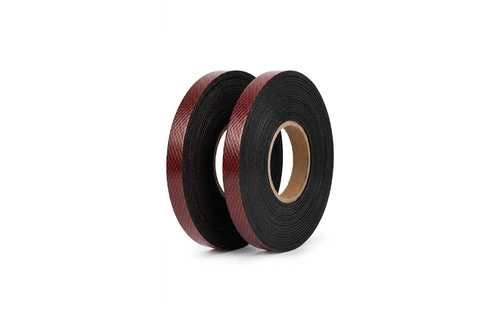
Belt noodle gum is a pre-formed uncured rubber profile mainly used in steel cord conveyor belt splices to fill designated spaces between steel cords and other specified splice areas.
The required noodle gum profile depends on the cord diameter, cord spacing and splice construction. Correct filling helps maintain consistent rubber coverage around the steel cords and reduces the risk of voids inside the finished splice. Standard and customized noodle profiles can be supplied
Use Compatible Splicing Materials as One System
Hot splicing materials should not be selected only by individual physical properties. The cover rubber, intermediate rubber, noodle gum and vulcanizing solution must also be compatible with each other and with the original conveyor belt rubber.
Using materials with significantly different curing characteristics may affect rubber flow, bonding and final splice performance.
For this reason, we recommend evaluating the complete material combination and following the relevant Technical Data Sheet, conveyor belt splice specification and approved vulcanizing procedure.
Key Technical Specifications to Check When Selecting Hot Splicing Materials:
| Material | Important Selection Factors |
|---|---|
| Uncured Cover Rubber | Cover grade, thickness, abrasion resistance, tensile properties, elongation |
| Uncured Intermediate Rubber | Adhesion, elongation, thickness, steel cord or fabric compatibility |
| Belt Noodle Gum | Profile size, rubber compatibility, cord spacing and splice design |
| Hot Vulcanizing Solution | Rubber compatibility, application method, drying characteristics and shelf life |
Quality Grade Options
Premium Grade: Formulated to match REMA style in characteristics.
Standard Industrial Grade: High-cost-performance compound engineered for standard mining, port, and industrial conveying applications.
Material Selection for Different Operating Conditions
Conveyor belts operating in different industries may require different splice rubber properties.
Mining and Quarrying: High abrasion and impact resistance are normally the main priorities.
Cement and Bulk Material Handling: Good wear resistance and stable bonding performance are important for continuous operation.
High-Temperature Applications: Cover and intermediate rubber compounds should be compatible with the heat-resistant belt grade.
Oil-Exposed Applications: Oil-resistant rubber compounds may be required to match the original conveyor belt.
Underground or Flame-Sensitive Applications: Material selection should follow the relevant belt flame-resistance specification and project requirements.
Information Required for Material Selection
To recommend the correct conveyor belt splicing materials, please provide as much of the following information as possible:
Conveyor belt type: fabric or steel cord
Belt width and total thickness
Top and bottom cover thickness
Conveyor belt rubber grade
Fabric ply or steel cord construction
Steel cord diameter and spacing, where applicable
Splice drawing or splice specification
Required material dimensions and quantities
Operating conditions and conveyed material
If a complete splice specification is not available, our technical team can review the available belt information and help decide a suitable combination of uncured rubber materials for evaluation
Customized Manufacturing & Technical Support
We supply conveyor belt hot splicing materials in standard and customized specifications for distributors, conveyor service companies, mines, and industrial maintenance teams:
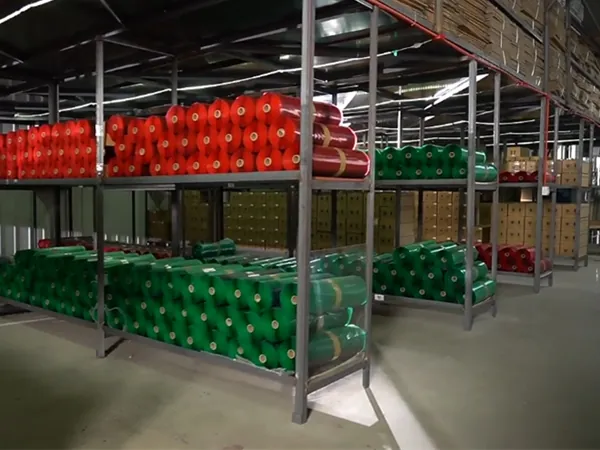
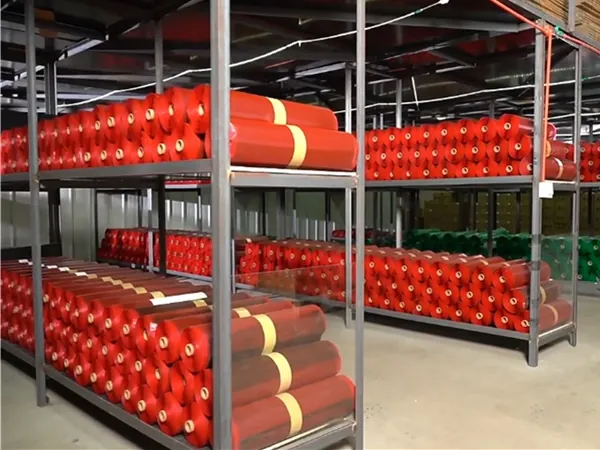
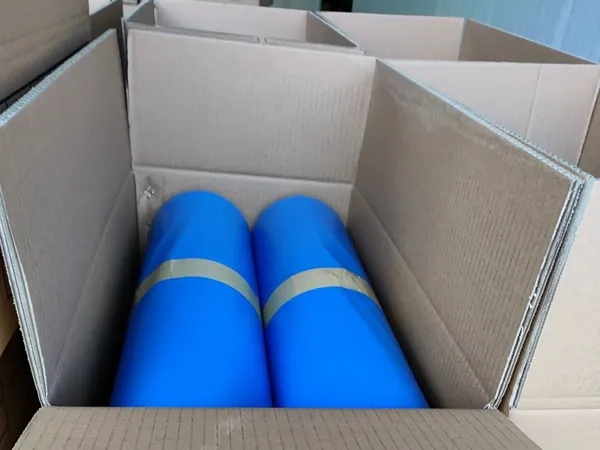
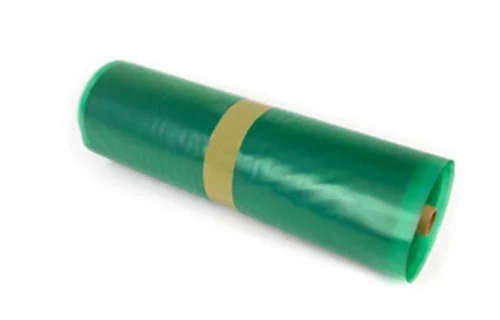
Customization Options: Protective film color (blue/green/ red), custom sheet thickness, roll width, and custom roll weights.
Global Shipping Stability: High chemical stability formulations prevent pre-vulcanization during long-distance ocean transit and hot climate transport.
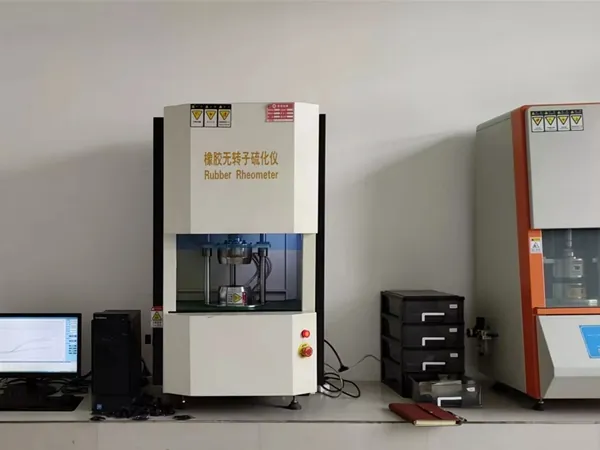
Sample Evaluation: Free sample kits are available upon request for lab testing, wire pull-out evaluation, and field trial validation.
For projects requiring complete splicing guidance, our technical team can also assist with material selection and vulcanizing operation recommendations