
Conveyor Belt Vulcanizing: Hot & Cold Solutions
Conveyor belt vulcanizing provides reliable solutions for joining, repairing and fixing rubber conveyor belts in mining, cement, ports, power plants and other heavy-duty industries. Depending on the belt construction, type of damage, and operating requirements, either hot vulcanizing or cold vulcanizing may be selected.
We supply vulcanizing materials and technical support for fabric and steel cord conveyor belts, covering cold-bond repairs, hot-vulcanized splicing, and related maintenance applications.
Cold Vulcanizing for Conveyor Belt Repair
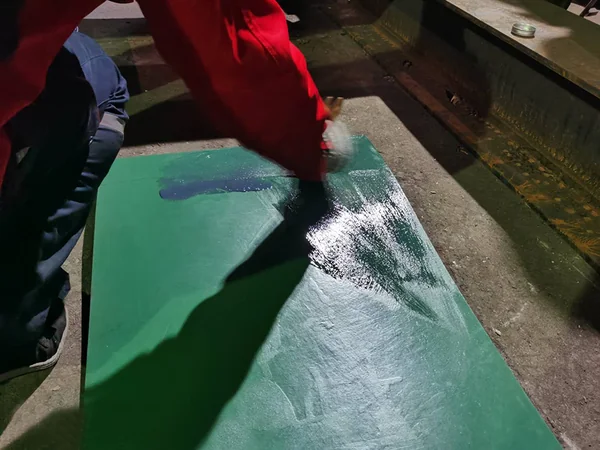
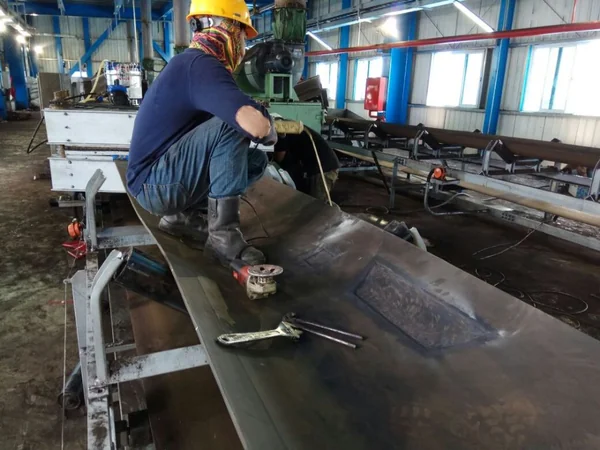
Cold vulcanizing, also called cold bonding, is commonly used for localized conveyor belt repair where heating and a vulcanizing press are not required. Typical applications include the following repairs. A typical cold repair system combines repair strips or patches, CN bonding layers, filler rubber and a compatible cold vulcanizing cement. Cold vulcanizing can reduce equipment requirements and may shorten repair downtime, but surface preparation, adhesive compatibility, temperature,etc remain important factors in achieving reliable bonding
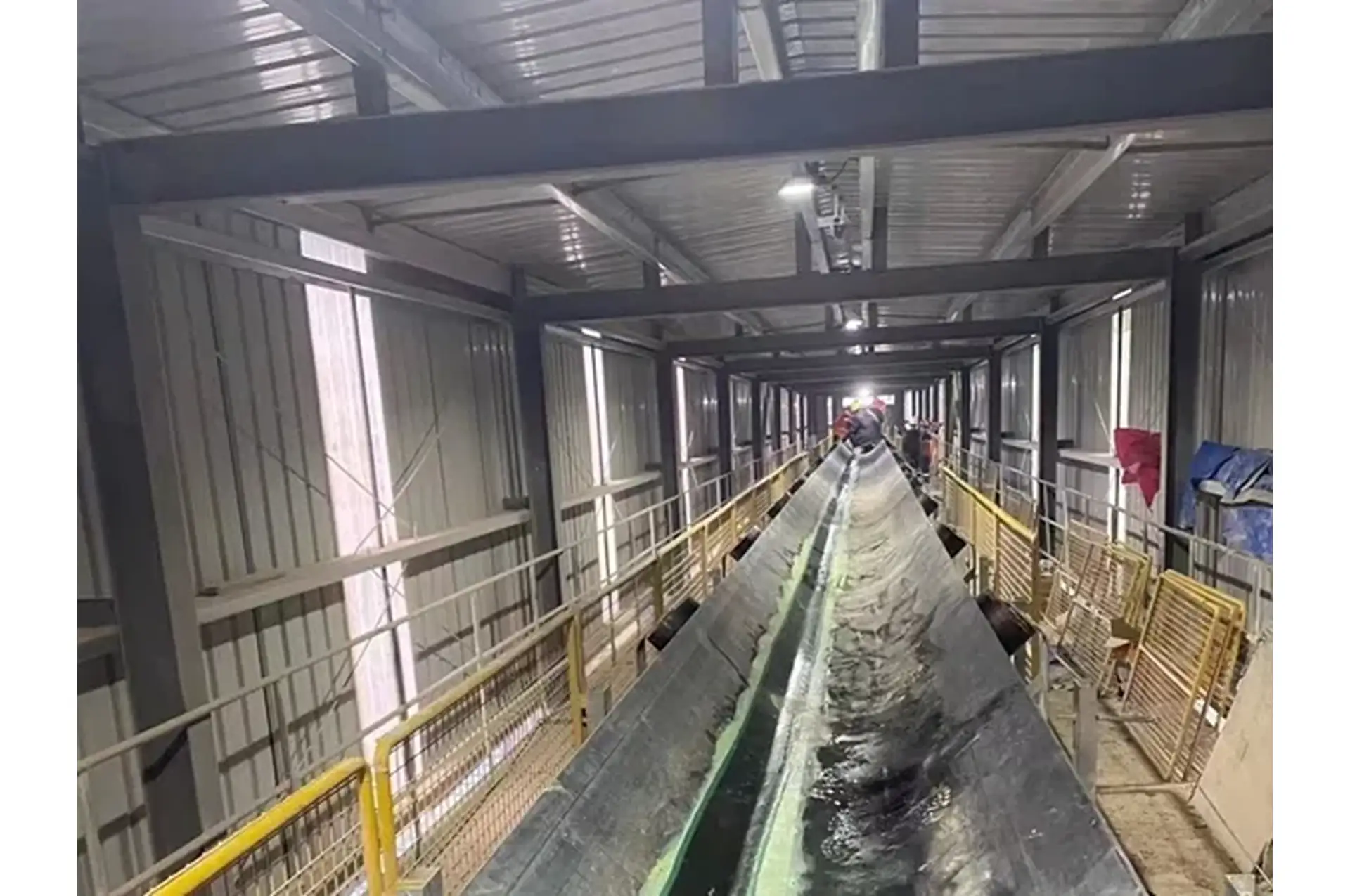

Hot Vulcanizing for Conveyor Belt Splicing
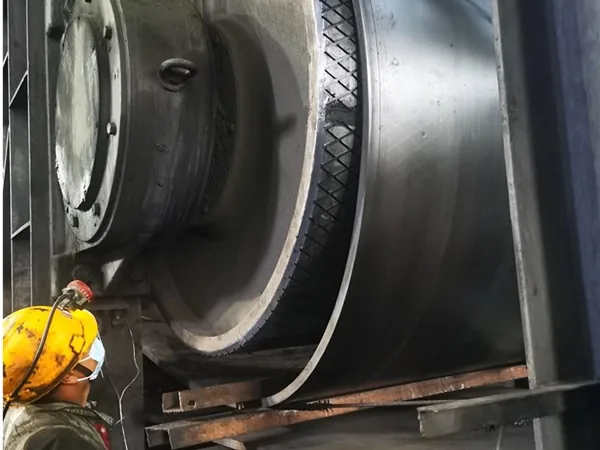
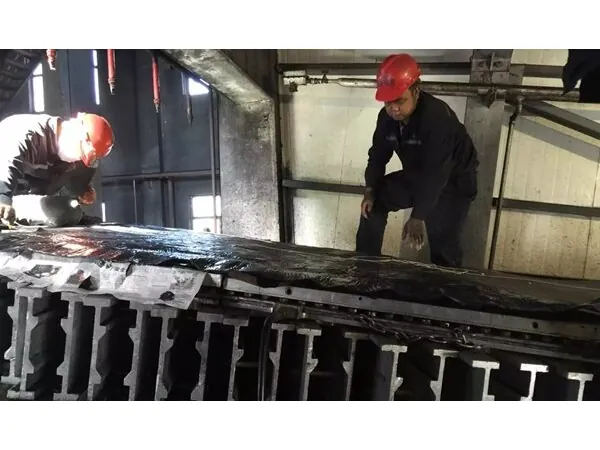
Hot vulcanizing is primarily used to produce durable conveyor belt splices by curing compatible uncured rubber materials under controlled heat and pressure. It is widely used for the following applications. Depending on the belt construction, the material system may include uncured cover rubber, uncured intermediate rubber, belt noodle gum and hot vulcanizing solution.
Featured Conveyor Belt Vulcanizing Materials

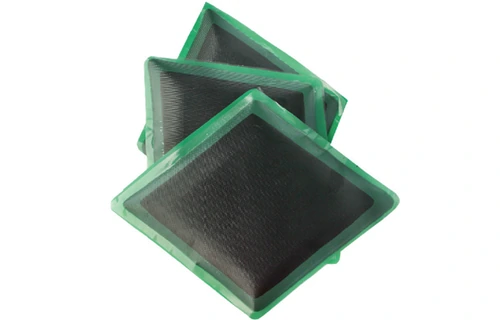
Standard Conveyor Belt Repair Strip
All our Rubber Repair Strips (Patches) bonding strength reach or exceed 8Mpa.


Uncured Top Cover Rubber Sheet (Top Cover)
Uncured Top Rubber Sheet(Cover Stock) is an uncured rubber for hot vulcanized belt splicing.


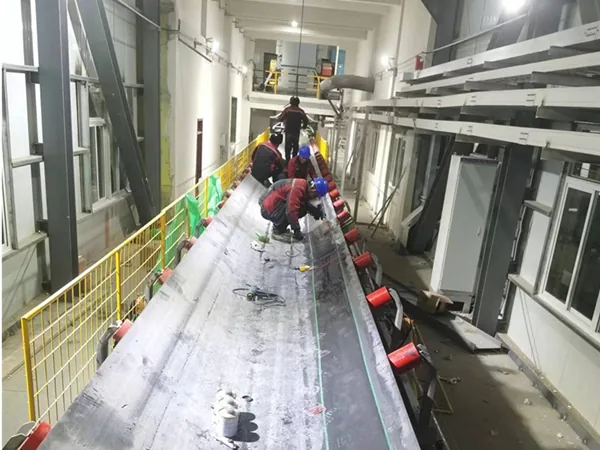


CcConveyor Belt Splicing FAQ

Conveyor Belt Vulcanizing Guide
In the following guide, you will know more about Conveyor Belt Vulcanizing.
What is Conveyor Belt Vulcanizing?
Conveyor belt vulcanizing is a method used to join or repair rubber conveyor belts by creating a bonded rubber structure at the splice or damaged area. Depending on the application, vulcanization can be performed using either heat and pressure or a chemical cold-bonding system.
Hot vulcanizing uses uncured rubber materials together with controlled heat, pressure and curing time to form a vulcanized splice. Cold vulcanizing uses compatible repair materials and bonding adhesives at ambient temperature without a heated vulcanizing press.
The correct method depends on the conveyor belt construction, damage type, required splice performance, available downtime and working conditions.
Hot vs. Cold Conveyor Belt Vulcanizing
| Factor | Hot Vulcanizing | Cold Vulcanizing |
|---|---|---|
| Main Use | Belt splicing and structural vulcanized repair | Localized belt repair and bonding |
| Bonding Method | Heat + pressure + unvulcanized rubber | Chemical adhesive bonding |
| Vulcanizing Press | Required | Not normally required |
| Typical Belt Types | Fabric and steel cord rubber belts | Mainly rubber conveyor belt repair applications |
| Materials | Cover rubber, intermediate rubber, noodle gum, vulcanizing solution | Repair strips, patches, filler rubber, cold cement |
| Site Requirement | More equipment and a controlled setup | Less equipment |
| Main Advantage | Integrated vulcanized splice structure | Faster, practical repair option |
| Selection Depends On | Belt construction, splice design, load and operating conditions | Damage type, repair area, environment and downtime |
Belt Types & Applications
Fabric Conveyor Belts
Hot vulcanized step or finger splicing can be used, depending on the fabric belt construction and the manufacturer’s splice design. Cold repair systems are commonly used for selected localized cover damage and tears.
Steel Cord Conveyor Belts
Steel cord belt splicing requires careful control of splice geometry, cord arrangement, compatible intermediate rubber and vulcanizing conditions. Hot vulcanizing is normally the preferred approach for permanent steel cord belt splices.
Heavy-Duty Industrial Applications
Beltcare vulcanizing materials and technical support are used for conveyor maintenance applications in mining, cement, quarrying, ports, power generation, steel and bulk material handling industries.
How to Choose the Right Conveyor Belt Vulcanizing Method?
Choosing between hot and cold vulcanizing starts with understanding the belt and the damage, not choosing the fastest repair method.
Belt Construction: Confirm whether the conveyor belt is fabric-reinforced, steel cord or another construction. High-tension steel cord splices normally require a specifically engineered hot-vulcanized splice design.
Type of Work: Joining two belt ends, replacing a complete splice and repairing a localized cover defect involve different structural requirements.
Damage Depth: Surface cover damage may be suitable for cold repair, while damage extending into reinforcement layers requires a more detailed structural assessment.
Operating Load: Belt tension, conveyed material, pulley size and operating speed can affect the required splice or repair design.
Working Environment: Temperature, humidity, dust, oil exposure and site access influence material selection and application conditions.
Downtime and Equipment: Hot vulcanizing requires a suitable press and controlled curing cycle. Cold bonding requires less equipment but still depends on proper surface preparation and curing conditions.
Successful Vulcanizing Depends on More Than Materials
What Determines a Reliable Vulcanized Splice or Repair?
Reliable conveyor belt vulcanizing depends on the complete application process rather than one material property alone.
Correct Belt and Damage Assessment
Belt construction, damage depth and splice design should be confirmed before selecting the repair method.
Compatible Materials
Rubber compounds, bonding agents and existing belt materials should be compatible with each other.
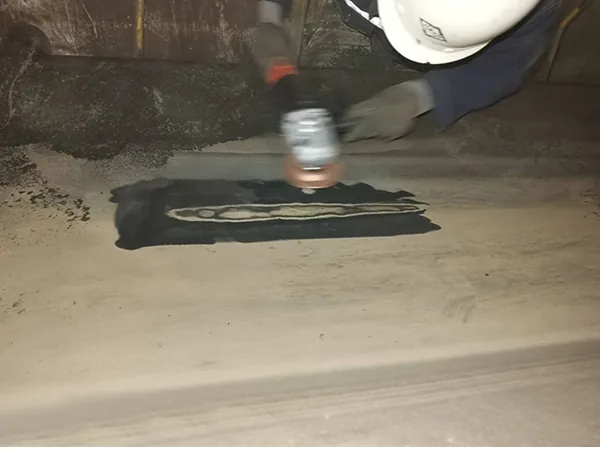
Surface Preparation
Prepared surfaces must be clean and free from contamination before bonding or vulcanization.
Controlled Vulcanizing Conditions
Temperature, pressure and curing time must follow the relevant material and belt specification during hot vulcanizing.
Skilled Installation
Correct alignment, material placement, rolling and inspection are critical to the finished splice.
Final Inspection
The finished repair or splice should be checked for alignment, surface continuity, trapped air, edge defects and other visible abnormalities before the conveyor returns to service.
Our Conveyor Belt Vulcanizing Support Process
1. Application Review
Share the conveyor belt specification, belt width, construction, damage photos or splice drawing.
2. Method Recommendation
We review whether cold vulcanizing, hot vulcanizing or another maintenance method is more suitable for the application.
3. Material Selection
Compatible repair or splicing materials are recommended according to belt construction and operating conditions.
4. Technical Confirmation
Product specifications, dimensions, quantities and application requirements are confirmed before shipment.
5. Installation Support
Application guidance and technical documentation can be provided, with on-site support evaluated according to project location and scope.