
Cold Bond Conveyor Belt Repair Products
Choose the suitable conveyor belt repair material according to the shape, structural severity of the damage and working conditions. Standard and customized products are available for repairing cover wear, longitudinal belt rips, punctures, gouges, edge damage and selected carcass damage

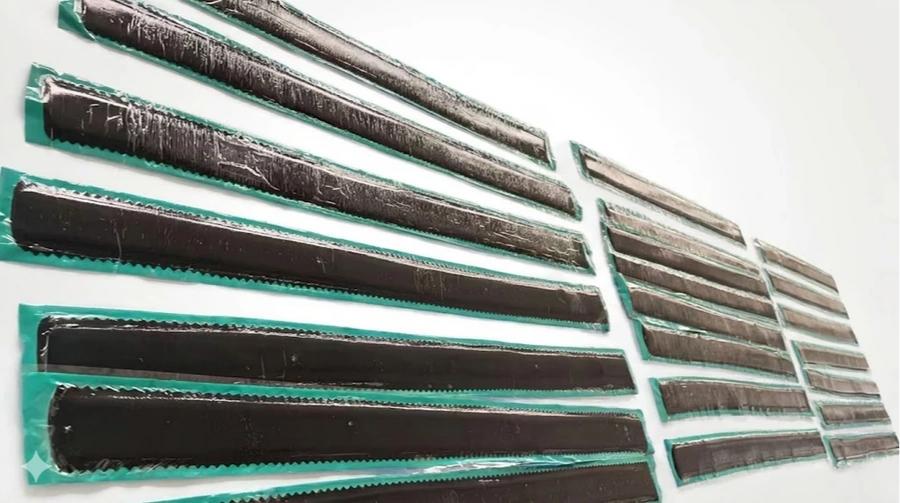
Standard Conveyor Belt Repair Strip
Beltcare Solution Rubber Repair Strips (Patches) Adhesive Force reaches or exceeds 8.5 N/mm.

Reinforced Diamond Repair Patch
Reinforced Diamond Repair Patches are mainly used for maximum puncture resistance.
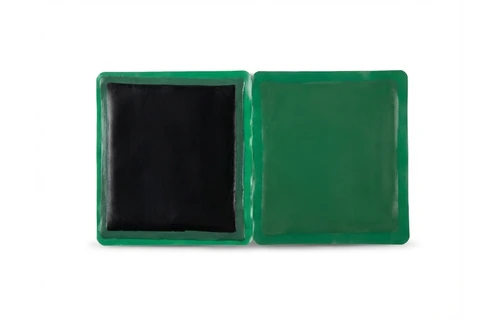
Diamond Belt Repair Patch
Diamond repair patches are used for minor damage repair of the conveyor belt
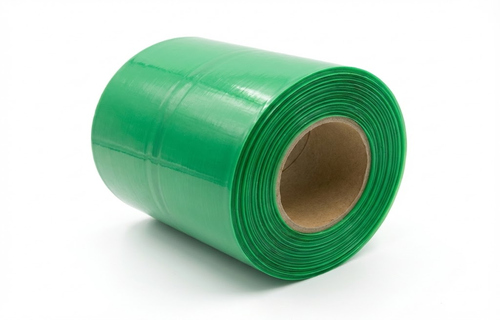
Fabric Reinforced Belt Repair Strip
Fabric Reinforced Repair Strip reinforced with fabric layer to increase Tear Force.
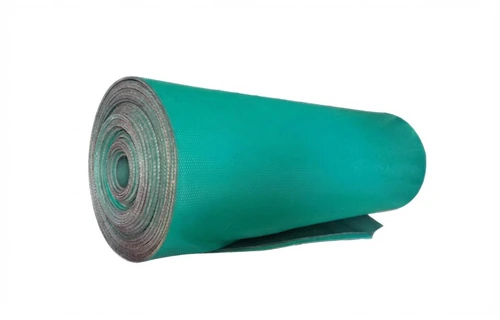
Conveyor Repair Fabric
Conveyor Repair Fabric is especially used for the repair of damage to conveyor belt ply and covers

CN Filler Rubber
CN Filler Rubber is designed for use in repairing conveyor belts or bonding rubber to steel surfaces.



Conveyor Belt Repair Products FAQ


Cold Bond Repair Material – Definitive Guide
In the following guide, you will know deeply about This Material.
During bulk material handling, conveyor belts are frequently damaged by material impact, heavy drops, sharp debris, and operational stress, resulting in longitudinal tearing, edge gouges, cover punctures, and surface abrasion. When damage occurs, operators must evaluate whether to repair or replace the conveyor belt.
If the fabric belt carcass cover rubber is worn near its limit, tearing exceeds 7 points per meter, or a transverse puncture reaches more than 1/3 of the belt width, full belt replacement is necessary. However, the majority of belt surface damage can be rapidly restored on-site using cold vulcanization repair solutions.
What is conveyor belt repair material?
Materials used in room temperature maintenance are known as cold bond repair materials or conveyor belt repair products. The essential repair material kit usually includes standard conveyor belt repair strips, fabric-reinforced repair strips, CN filler strips, diamond and rectangular repair patches, and two-component cold vulcanizing adhesive. Using high-grade repair strips allows your conveyor system to resume operation in as little as one hour.
Conveyor Belt Repair Strips
Also referred to as conveyor belt repair bands, rubber repair patches, or rectangular repair patches, these products are available in standard rubber and fabric-reinforced types. Manufactured from high-grade synthetic rubber compounded with a semi-vulcanized CN bonding layer on one side, they deliver superior tensile strength and abrasion resistance to fix cover gouges and tears. They serve as the primary repair material in any professional conveyor belt repair kit.
Cold Vulcanizing Adhesive
Often called cold vulcanizing cement or cold bonding cement, this high-performance adhesive is formulated for bonding rubber-to-rubber, rubber-to-fabric, fabric-to-fabric, and rubber-to-metal. Cold vulcanizing adhesives provide exceptional bonding strength for conveyor belt rip repair, cold belt splicing, and pulley lagging installations. We provide premium TRS/REMA-compatible cold vulcanizing cements with hardeners, featuring excellent fire resistance and wear resistance (conforming to 1000M industrial standards).
Cleaning Solvent With Hardener
Cleaning solvent is engineered to degrease and purify rubber and metal surfaces, removing grease, oil, and dust to ensure a contamination-free environment for maximum bonding strength. Our complete cold bonding chemical range includes cold vulcanizing cement, PU adhesive, cleaning solvents, and metal primers.
How Does Cold Bond Conveyor Belt Repair Work?
A typical cold bond conveyor belt repair procedure includes:
Damage Assessment
Inspect the damage and confirm that cold bonding is suitable for the belt condition and operating requirements.
Surface Preparation
Remove loose or damaged rubber and prepare a sound repair profile. Grind only the required bonding area and avoid damaging the remaining belt structure.
Cleaning
Remove grinding residue, dust, oil and other contamination. The repair surface must be clean and dry before adhesive application.

Adhesive Application
Mix and apply the cold vulcanizing cement and hardener according to the technical data sheet.
Bonding and Compaction
Position the repair strip or patch correctly and compact it from the centre toward the edges to remove trapped air and establish uniform contact.

Curing
Allow the adhesive system to cure according to the specified temperature, humidity and application conditions before returning the conveyor belt to service.

Allow at least 2 hours for natural ambient vulcanization before performing a light trial run. For maximum peel strength under heavy industrial loads, wait 8 to 12 hours for complete curing. For further cold vulcanizing solutions, please check this channel
How to Select a Conveyor Belt Repair Strip?
Surface Cuts and Worn Covers
Standard conveyor belt repair strips are normally suitable for long, narrow surface cuts, scratches, worn covers and localized edge damage where the internal belt structure remains serviceable.
Longitudinal Belt Rips
Fabric-reinforced repair strips provide increased tear resistance and are normally preferred for longitudinal conveyor belt rip repair or deeper damage exposed to higher mechanical stress.
Punctures and Impact Damage
Diamond repair patches are suitable for localized punctures, impact marks and irregular damage.
Rectangular repair patches can be selected for square, rectangular or elongated prepared repair areas.
Deep Gouges and Recessed Areas
CN filler rubber can be used to rebuild a recessed repair cavity before installing the outer repair strip or patch.
Fabric-Ply Damage
EP200 conveyor repair fabric can reinforce selected repairs involving damaged fabric plies. The repair method should be determined according to the depth and extent of the carcass damage.
Deep Gaps and Repair Joints
T2 repair compound can be used to fill or seal localized rubber damage, small cavities and repair joints where a mouldable repair material is required.

Standard vs. Fabric-Reinforced Repair Strip
Standard Repair Strip
Standard repair strips offer flexibility and good surface conformity. They are commonly used for:
cover scratches; shallow cuts; worn rubber surfaces; edge sealing; long and narrow surface damage.
Fabric-Reinforced Repair Strip
Fabric-reinforced repair strips contain an internal reinforcement layer and provide greater tear and puncture resistance.
They are commonly used for: longitudinal belt rips; more serious damage; selected carcass repairs; high-stress repair areas.
Neither type is suitable for every situation. Selection should be based on the belt condition and the mechanical forces acting on the repaired area.

Conveyor Belt Repair Strip Size Selection
Available repair-strip widths include:
50 mm
75 mm
100 mm
150 mm
220 mm
300 mm
400 mm
500 mm
Width Selection Rule: Choose a repair strip width that extends 20 mm to 30 mm beyond each side of the damaged area. This ensures total encapsulation and prevents material leakage.
Example: If the damaged area width is 50 mm, adding a 30 mm margin per side gives a required width of 80 mm (50 mm + 30 mm * 2). Matching standard inventory, select a 100 mm wide repair strip.
Always choose a wider strip rather than a narrower one. An undersized strip will fail to fully cover the damaged zone, increasing the risk of edge peeling and further conveyor belt damage.
Length and thickness selection follows the same margin principle. Determine strip thickness based on carcass damage depth: select fabric-reinforced strips if internal plies are severed, or standard rubber strips for top-cover gouges.
Conclusion
Cold vulcanization bonding remains the most efficient on-site conveyor belt repair method, restoring operational integrity quickly and cost-effectively.
We supply reliable conveyor belt repair materials along with technical guidance for ongoing maintenance. We also offer professional field technical support, including Cold Vulcanizing Services, Hot Vulcanizing Services, and on-site conveyor pulley lagging installation globally.