
Rubber And Ceramic Pulley Lagging Products
Select pulley lagging according to pulley function, belt tension, operating environment and required traction. We provide plain and diamond rubber pulley lagging for general conveyor applications, together with ceramic pulley lagging for high-tension, slip-prone and abrasive operating conditions
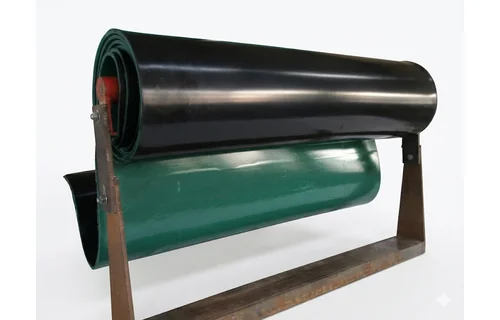
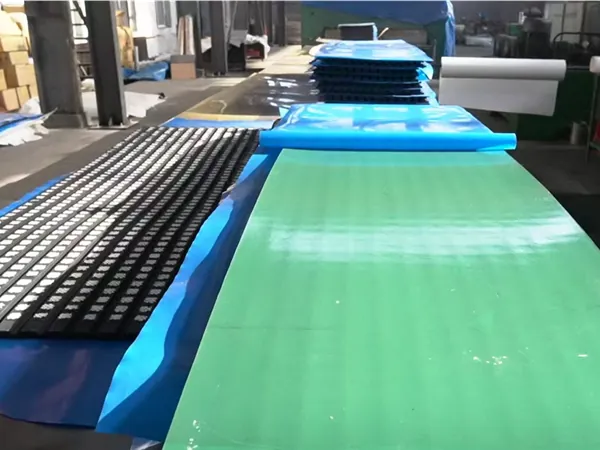
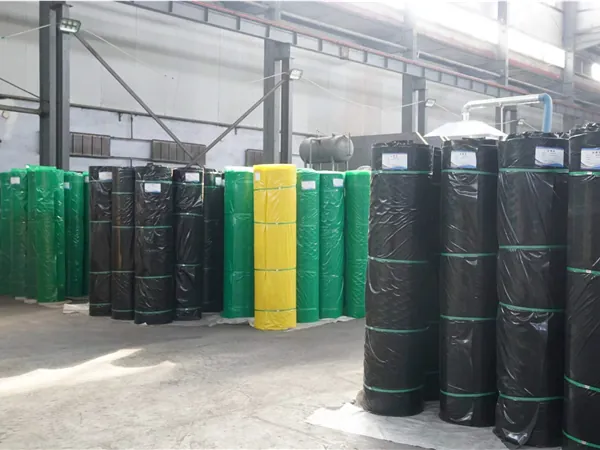
Plain Rubber Pulley Lagging
Plain Rubber Pulley Lagging provided with Bonding Layers for easy installation with cold glues.
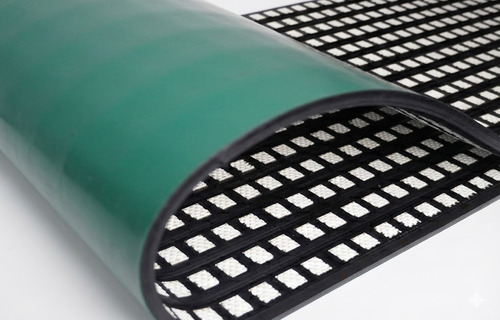
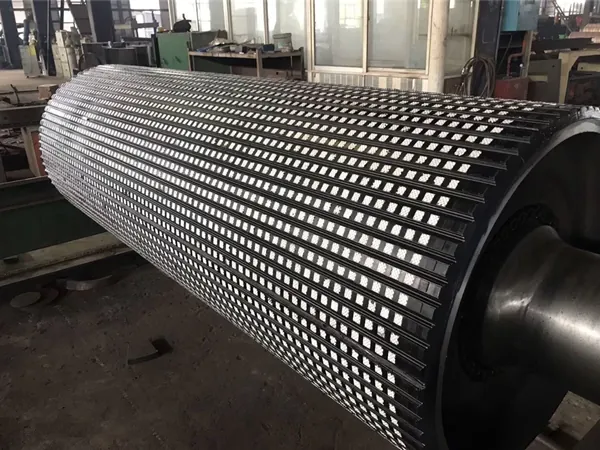
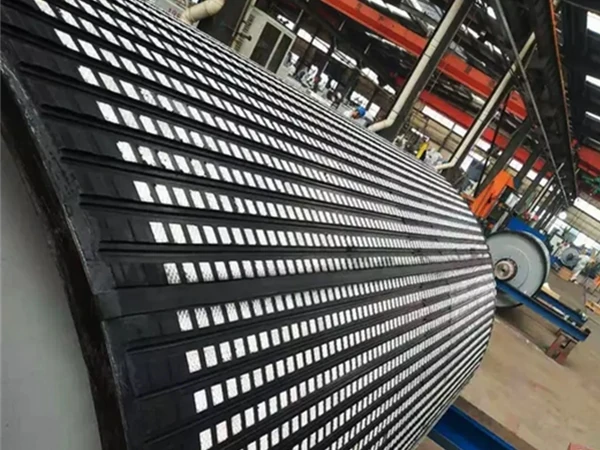
Ceramic Pulley Lagging
Ceramic Pulley Lagging is designed to be applied to conveyor drive pulleys operating in extreme conditions.
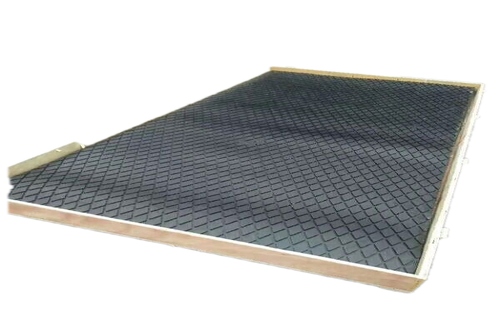
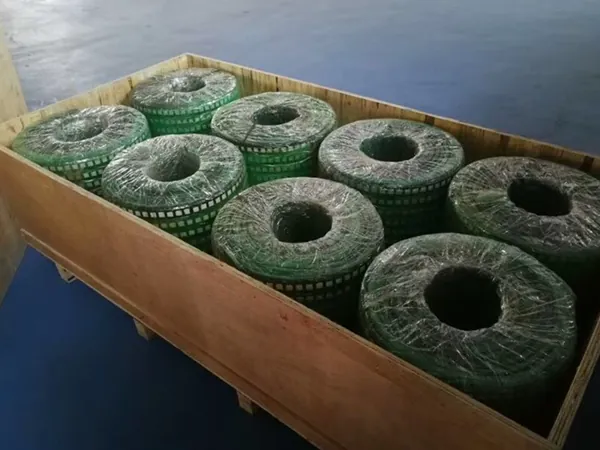
Diamond Rubber Strip Lagging
Diamond Rubber Strip lagging is designed for use as lagging of conveyor belt pulleys to increase grip, reduce wear
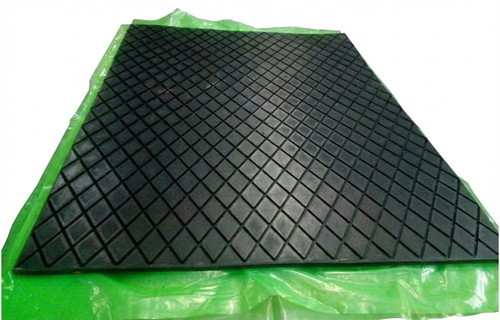
Diamond Rubber Pulley Lagging
Diamond Rubber Pulley Lagging protecting the roller from material adhesion and preventing conveyor belt slippage.


Conveyor Pulley Lagging FAQ


Conveyor Pulley Lagging- Definitive Guide
In the following guide, you will know everything about Conveyor Pulley Lagging.
Conveyor pulley lagging is an important conveyor component designed to maximize operational throughput, eliminate conveyor belt slippage, and protect expensive pulley shells from friction wear and chemical corrosion. In heavy-duty bulk material handling systems—such as mining, quarrying, cement, and port operations—unprotected pulley shells face severe abrasive wear, moisture ingress, and material buildup, leading to belt mistracking and costly downtime.
What is Conveyor Pulley Lagging & Why is It Essential?
Conveyor pulley lagging refers to the specialized layer of rubber, ceramic tiles, or composite materials bonded directly to the external surface of a conveyor drum shell. The primary drive pulley serves as the sole source of rotational traction for the conveyor system. In adverse operating environments involving rain, slurry, or fine dust, the coefficient of friction between the smooth steel shell and the conveyor belt drops significantly, resulting in severe belt slip.
Key Benefits of Pulley Lagging:
Eliminates Belt Slippage: Increases the coefficient of friction between the drive pulley and the belt's bottom cover, providing continuous rotational grip under full load.
Protects Pulley Shells: Shields steel shells against gouging, localized wear, and chemical oxidation caused by corrosive slurry or harsh ores.
Improves Belt Tracking & Self-Cleaning: Deep diamond grooves or inter-tile channels shed trapped water, mud, and debris away from the contact zone.
Extends Component Service Life: Prevents wear on conveyor belts, splices, bearings, and drive motors by reducing required take-up tension and mechanical stress.
Main Types of Conveyor Pulley Lagging Materials
| Lagging Type | Surface Profile | Primary Application | Key Advantage |
| Diamond Rubber Lagging | Deep Diamond Grooves | Fabric & Medium-Tension Drive Pulleys | High traction, self-cleaning water evacuation, superior wear resistance |
| Plain Rubber Lagging | Smooth Surface | Non-Drive, Snub, Bend & Tail Pulleys | Prevents material buildup, protects non-drive shells against abrasion |
| Ceramic Pulley Lagging | 95%Alumina Tiles (45% ceramic tile coverage) | High-Tension Steel Cord & Severe Wet/Muddy Drive Pulleys | Extreme friction coefficient, zero belt slip under slurry conditions |
| Diamond Lagging Strips | Pre-Cut Strips (200 mm / 220 mm) | Field Maintenance & Quick Seam Filling | Easy handling, minimal material waste during localized repairs |
Application & Material Selection Guide
Ceramic Pulley Lagging: Engineered for severe wet, muddy, or slurry conditions and long-center, high-tension conveyor systems in mining and mineral processing. The dimpled ceramic tiles bite into the belt cover without causing damage, delivering ultimate grip.
Diamond Rubber Pulley Lagging: Best suited for drive pulleys on fabric belts and medium-to-low strength steel cord belts operating in dry or moderately damp environments.
Plain Rubber Lagging Sheet: Best suited for snub, bend, tail, and take-up pulleys where grooved water shedding is unnecessary and a smooth profile prevents material buildup on non-drive rollers.
Cold Bond Pulley Lagging Installation Overview

1. Isolate the Conveyor
Stop and isolate the conveyor according to the site lockout and safety procedure. Confirm that the pulley can be accessed and rotated safely where required.
2. Remove Existing Lagging
Remove loose or damaged lagging and residual adhesive without damaging the pulley shell.
Inspect the shell for wear, corrosion, cracks or structural damage before proceeding.
3. Prepare the Pulley Surface
Grind or blast the steel surface to achieve the surface condition required by the selected primer and adhesive system.
Remove rust, loose material and contamination. The prepared surface must be clean and dry.

4. Apply the Primer and Adhesive System
Apply the specified metal primer, cold vulcanizing adhesive and hardener according to the current technical data sheets.
Do not use a universal fixed drying time because open time and curing depend on product type, temperature, humidity and site conditions.
5. Position and Bond the Lagging
Mark a reference line and position the pulley lagging accurately.
Apply the sheet or strips progressively and compact the material from the centre toward the edges to remove trapped air and establish uniform contact.
6. Seal Joints and Edges
Prepare and seal joints, gaps and edges with a compatible repair compound or sealing material where required. Trim excess material carefully and inspect all seams.

7. Allow the Bonding System to Cure
Do not return the pulley to service until the adhesive system has reached the curing condition specified in its technical data sheet.
A final inspection should confirm that the sheet is uniformly bonded and that edges, joints and transitions are secure.
Read the Pulley Lagging Installation Guide

Why Choose Our CN Layer Pulley Lagging?
The quality of cold-bonded pulley lagging depends heavily on the chemical integrity of its bonding layer.
No Back-Side Sanding Needed: Authentic semi-vulcanized CN layers react directly with cold bonding cement, cutting field preparation time in half and eliminating rubber structure damage caused by grinding.
Progressive Adhesion Strength: Unlike imitation or non-reactive backing layers whose bond strength remains static or degrades over time, our CN layer continues chemical cross-linking post-installation. Rubber-to-metal peel strength increases progressively over time.
Superior Rubber Formulations: Available in high-wear rubber, Flame-Retardant Anti-Static (FRAS) grades, and 95% high-alumina ceramic tiles lagging sheet