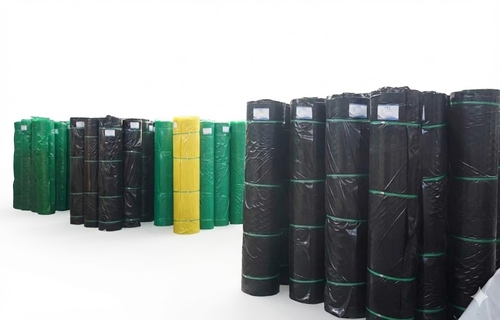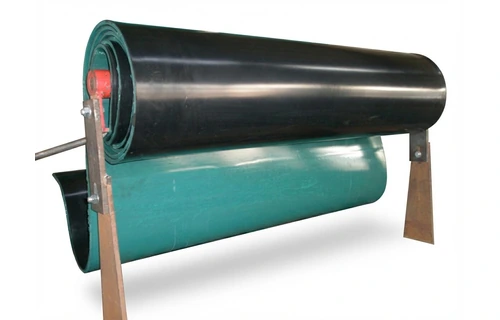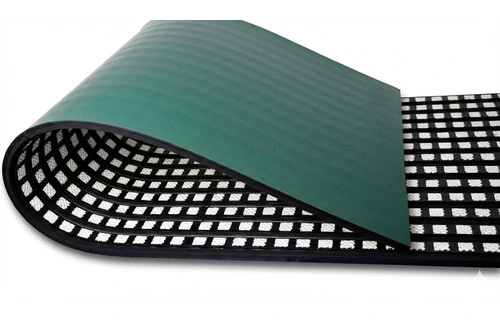
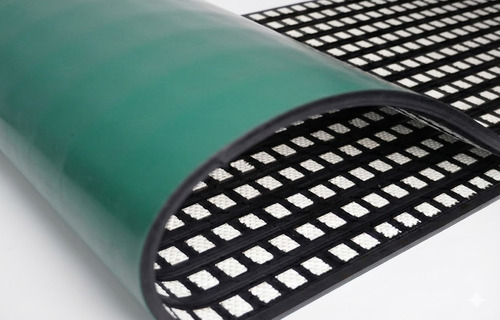
Ceramic Pulley Lagging is designed to be applied to conveyor drive pulleys operating in extreme conditions. It is suitable for use in wet and dirty conditions and high belt tension applications. It can also be used in conditions of dirt, icing, or steep slopes
Ceramic Pulley Lagging
Description
Ceramic Pulley Lagging Sheets & Strips
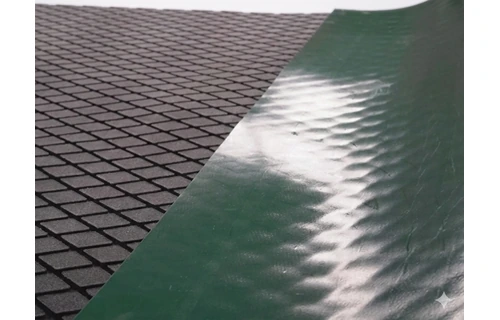
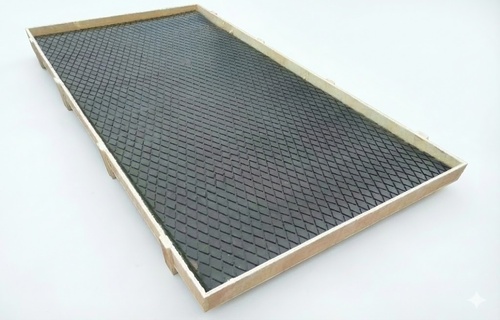
Ceramic Pulley Lagging is a premium lagging sheet where the ceramic tiles are molded into a rubber compound. This construction provides excellent traction, eliminates slippage, and offers high abrasion resistance. The lagging is especially suited for pulleys with slippage and excessive wear & tear problems, which make regular rubber lagging ineffective. Ceramic Lagging is an ideal solution for applications where conveyor rubber pulley lagging cannot withstand slippage and heavy wear. Its durable alumina ceramic tiles deliver excellent grip between the belt and pulley, ensuring reliable operation in wet, muddy, abrasive, and demanding working conditions.
Stock Dimension:
Thickness:12 mm, 15 mm, 20 mm thick, Width: 500mm
Length up to 10m. Custom sizes are available.
Technical Specifications:
- Material: BR/NR/SBR + 95 Model ceramic tile
- Adhesion between ceramic tile and rubber>10kgf/mm2; Adhesion between ceramic lagging and surface of metal>12kgf/mm2
- Tear Strength> 13kgf/mm2, Elongation at break> 300% , Permanent deformation at break<30% ,
- Surface Friction Coefficient:0.75-0.84
Feature
- High wear resistance: Performs reliably in abrasive, wet, and dry working conditions, including both underground and surface mining applications
- Rubber-encapsulated ceramic tiles – Each tile is fully surrounded by rubber and designed with rounded corners to improve bonding between the rubber and ceramic tile
- Better Belt Alignment – The specially designed pattern provides a self-cleaning effect, minimizing material build-up and reducing one of the main causes of conveyor belt mistracking.
- Excellent Bonding Strength – Designed with a neoprene bonding layer vulcanized to the underside of the lagging, providing high adhesion strength
- Easy to install with fewer joins, one product suits varying pulley face widths
- Approved for use in mining environments and compliant with flame-resistant requirements for solid products used in mines.
Application
Ceramic lagging is widely used in severe operating conditions involving abrasive materials, because it provides superior durability and abrasion resistance compared with rubber pulley lagging.
It is especially suitable for harsh conveyor applications where abrasive bulk materials are transported, since ceramic surfaces can withstand wear far better than standard rubber lagging