Description
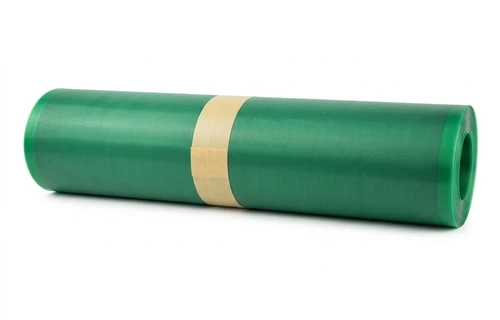
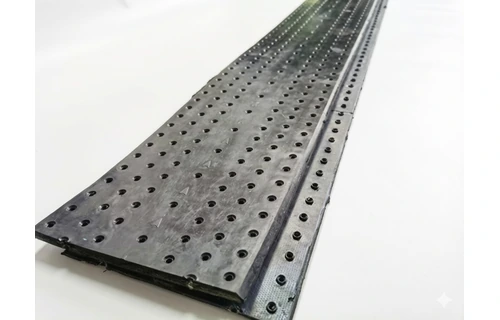
Uncured Cover Rubber is a specially compounded unvulcanized rubber sheet used to reconstruct the outer cover of a conveyor belt splice. It is normally applied to the top and bottom surfaces of the prepared splice before hot vulcanization.
Under heat and pressure, the uncured cover rubber vulcanizes together with the tie gum, original belt rubber and other compatible splicing materials to form an integrated splice structure.
The cured cover layer helps protect the internal splice from abrasion, impact, moisture and environmental contaminants while restoring a smooth running surface to the conveyor belt.
Our uncured cover rubber can be supplied for both fabric conveyor belts and steel cord conveyor belts, with different thicknesses and compound grades available according to belt construction and operating conditions
Technical Specification:
| Item |
Technical Specification |
| Product |
Uncured Cover Rubber |
| Material Type |
Unvulcanized Rubber Sheet |
| Application |
Conveyor Belt Hot Splicing |
| Belt Type |
Fabric & Steel Cord Conveyor Belts |
| Thickness |
1 / 2 / 3 / 4 / 5 / 6 mm |
| Standard Width |
500 mm |
| DIN abrasion loss |
≤130mm³ |
| Rubber Color |
Black |
| Protective Film |
Green or custom |
| Hardness |
70 ± 5 Shore A |
|
|
|
|
Feature
High Abrasion Resistance: Formulated to restore the wear-resistant outer layer of the conveyor belt splice and protect the internal splice structure during operation.
Reliable Vulcanization: The uncured compound is designed to vulcanize together with compatible tie gum and original conveyor belt rubber under controlled heat and pressure.
High Elongation and Flexibility: Suitable elongation helps the cured splice cover accommodate repeated belt flexing around conveyor pulleys.
Protective Film for Clean Handling: Quality film helps prevent dust and contamination during storage, transportation and splice preparation.
Custom Rubber Compounds: Rubber grades can be selected or customized for different conveyor belt requirements, subject to technical confirmation.

How to Select Uncured Cover Rubber
Selecting the correct uncured cover rubber should consider the following factors:
Belt Compatibility: Select the appropriate cover rubber thickness and grade according to the original belt cover thickness, required performance, and belt construction to ensure proper compatibility and a reliable vulcanized splice.
Operating Environment: Consider the actual service conditions of the conveyor belt. Applications involving abrasive ore, coal, cement, high temperatures, oil exposure, or outdoor environments may require different rubber compounds and performance grades.
Vulcanizing Conditions: Vulcanizing temperature, pressure, and curing time should follow the material TDS and the applicable conveyor belt splicing specifications to achieve proper bonding and curing performance.
Use on Fabric and Steel Cord Conveyor Belts
Fabric Conveyor Belts: In step or finger hot splices, uncured cover rubber is used to reconstruct the upper and lower belt cover after the internal carcass layers have been prepared and joined.
Steel Cord Conveyor Belts: In steel cord splices, uncured cover rubber forms the outer protective layer above and below the internal steel-cord and tie-gum structure. The required thickness and rubber grade should follow the belt manufacturer’s splice